Our diagnostic equipment allows us to detect even the smallest changes in your vision and eye health, which helps us ascertain your risk factors for debilitating eye and whole body diseases. With early detection, many such diseases may be manageable. Our services include:
We maintain a full-service optical lab on site that carries a large inventory of stock lens products and supplies semi-finished lenses to ensure a rapid turnaround time for your glasses. With highly trained and experienced technicians plus a state-of-the art lab facility, we are able to: Fabricate any lens design per your prescription (single vision, bifocals, progressives) Provide edging and fitting services Undertake frame repairs and adjustments
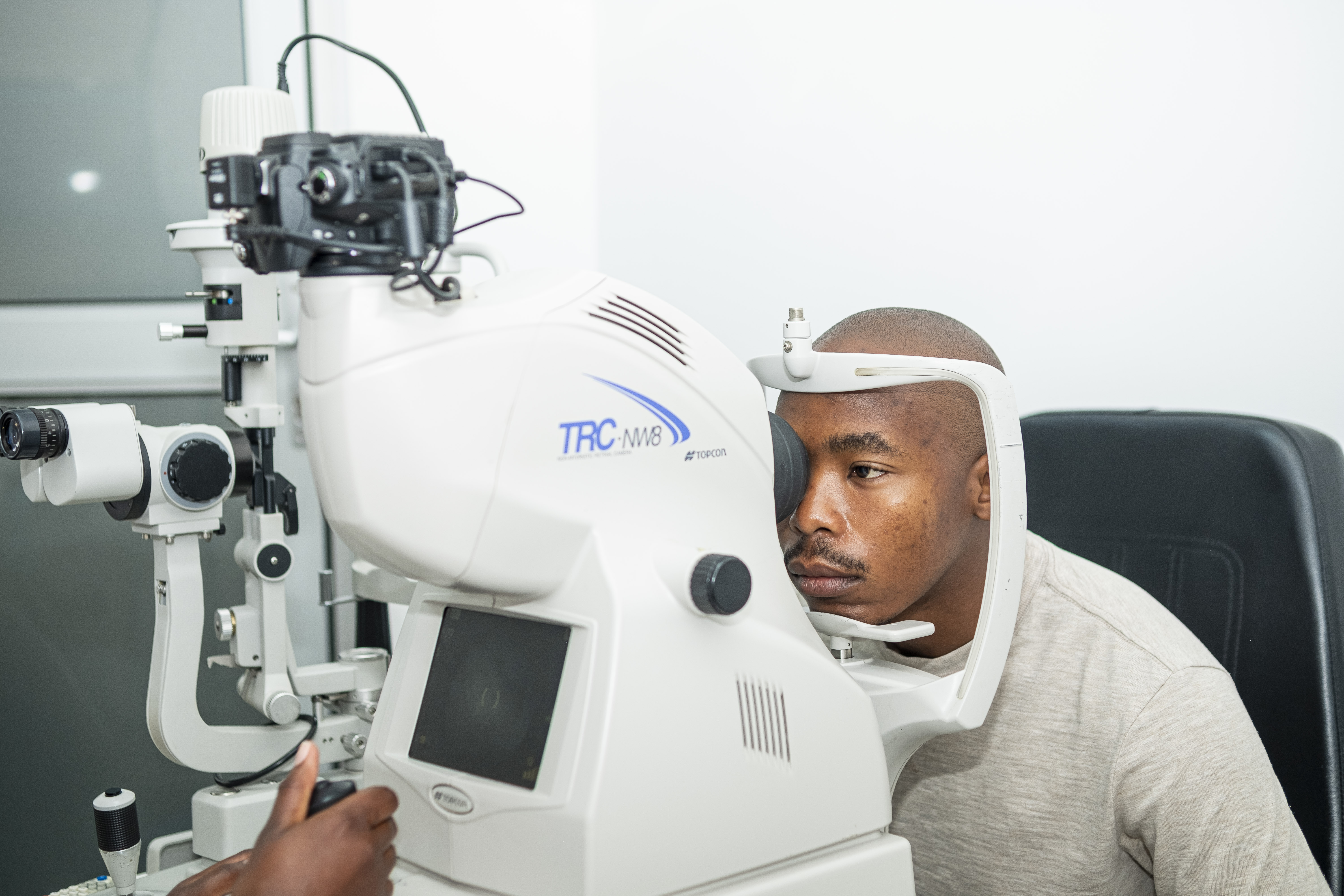
An examination of the fundus is usually done after first applying mydriatic dilation drops which enlarge the pupil opening, and thus allowing a better view of these structures. The instruments used for fundus examination include ophthalmoscope or a fundus camera.
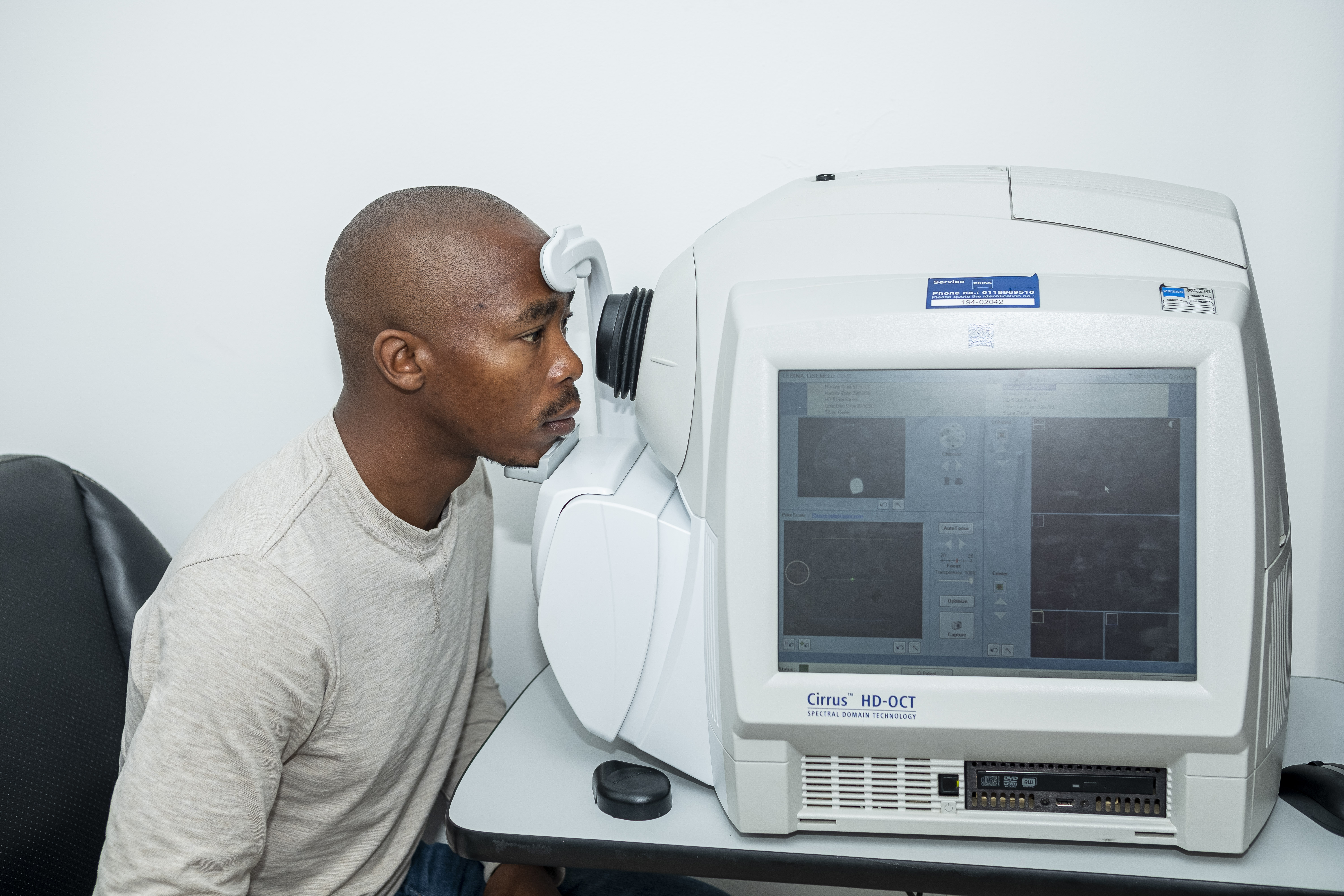
Optical coherence tomography (OCT) is a non-invasive imaging test. OCT uses light waves to take cross-section pictures of your retina. With OCT, your ophthalmologist can see each of the retina’s distinctive layers. This allows your ophthalmologist to map and measure their thickness. These measurements help with diagnosis. They also provide treatment guidance for glaucoma and diseases of the retina. These retinal diseases include age-related macular degeneration (AMD) and diabetic eye disease.
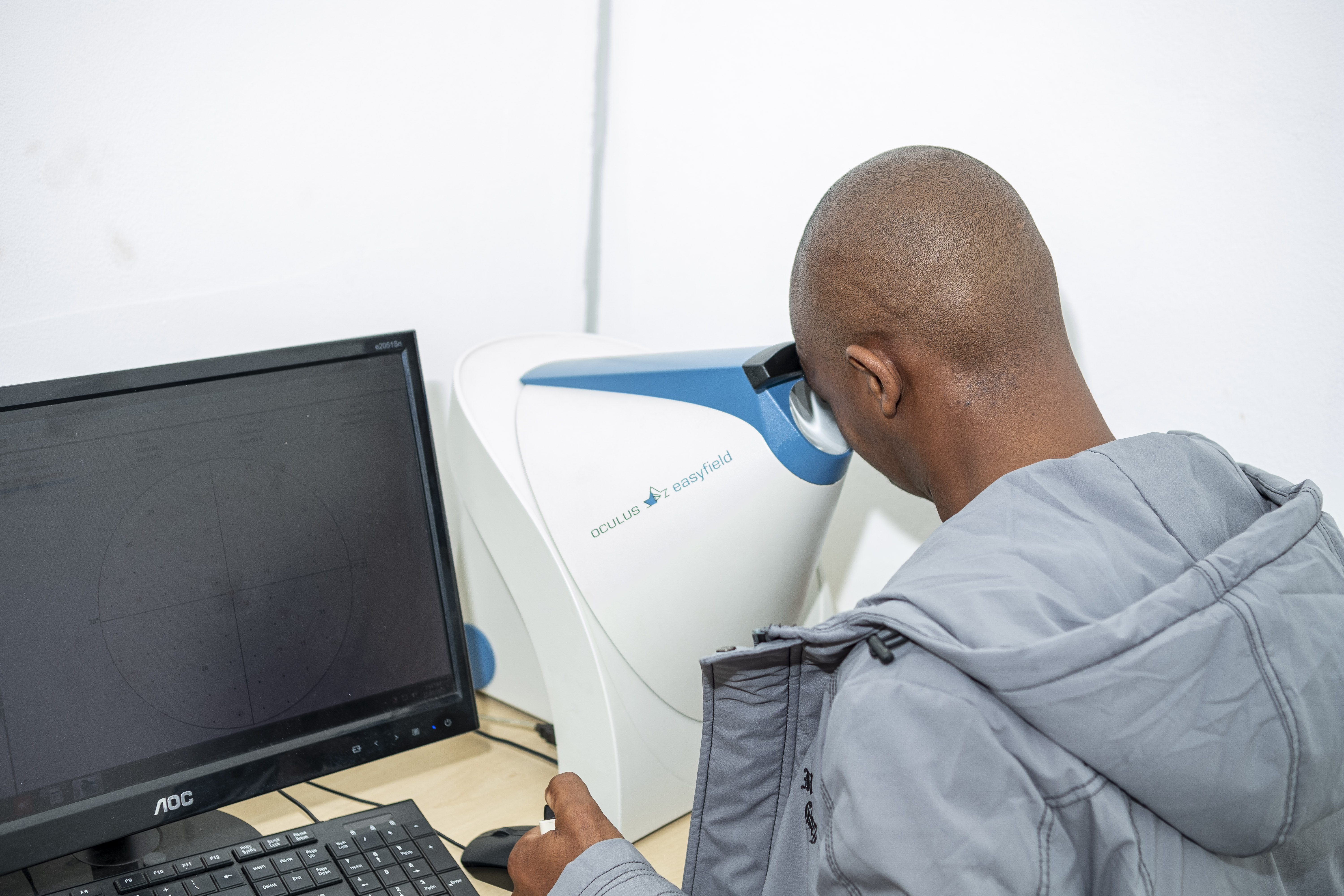
The visual field test can help the doctor find early signs of diseases like glaucoma that damage vision gradually. Some people with glaucoma do not notice any problems with their vision, but the visual field test shows that peripheral vision is being lost.A visual field test can also help the doctor find out more about the part of the nervous system that allows us to see.
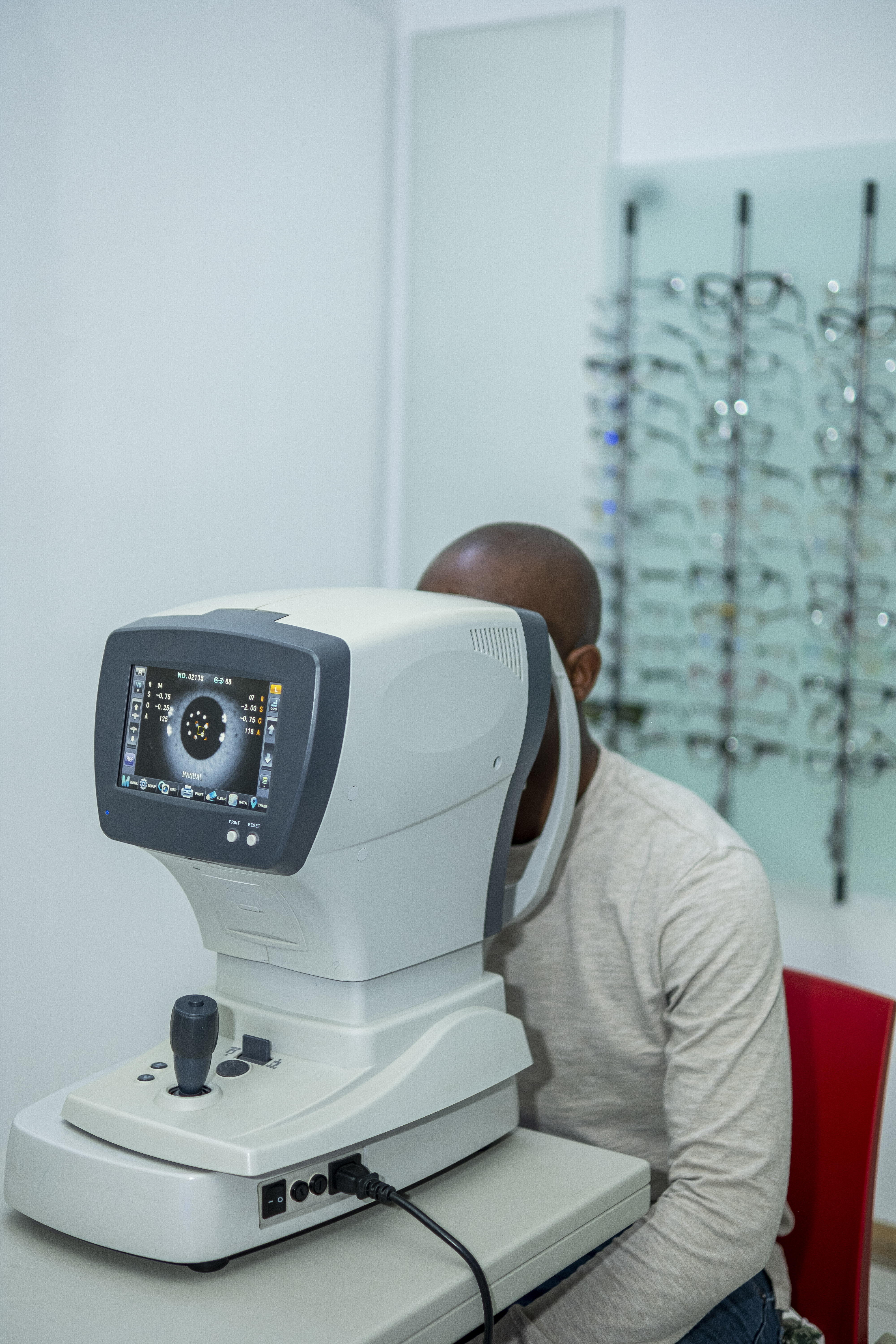
The Auto Refractor — A Machine that assists the optometrist with preliminary measurements of your vision! It helps with gauging, categorizing and extent of visual defects.
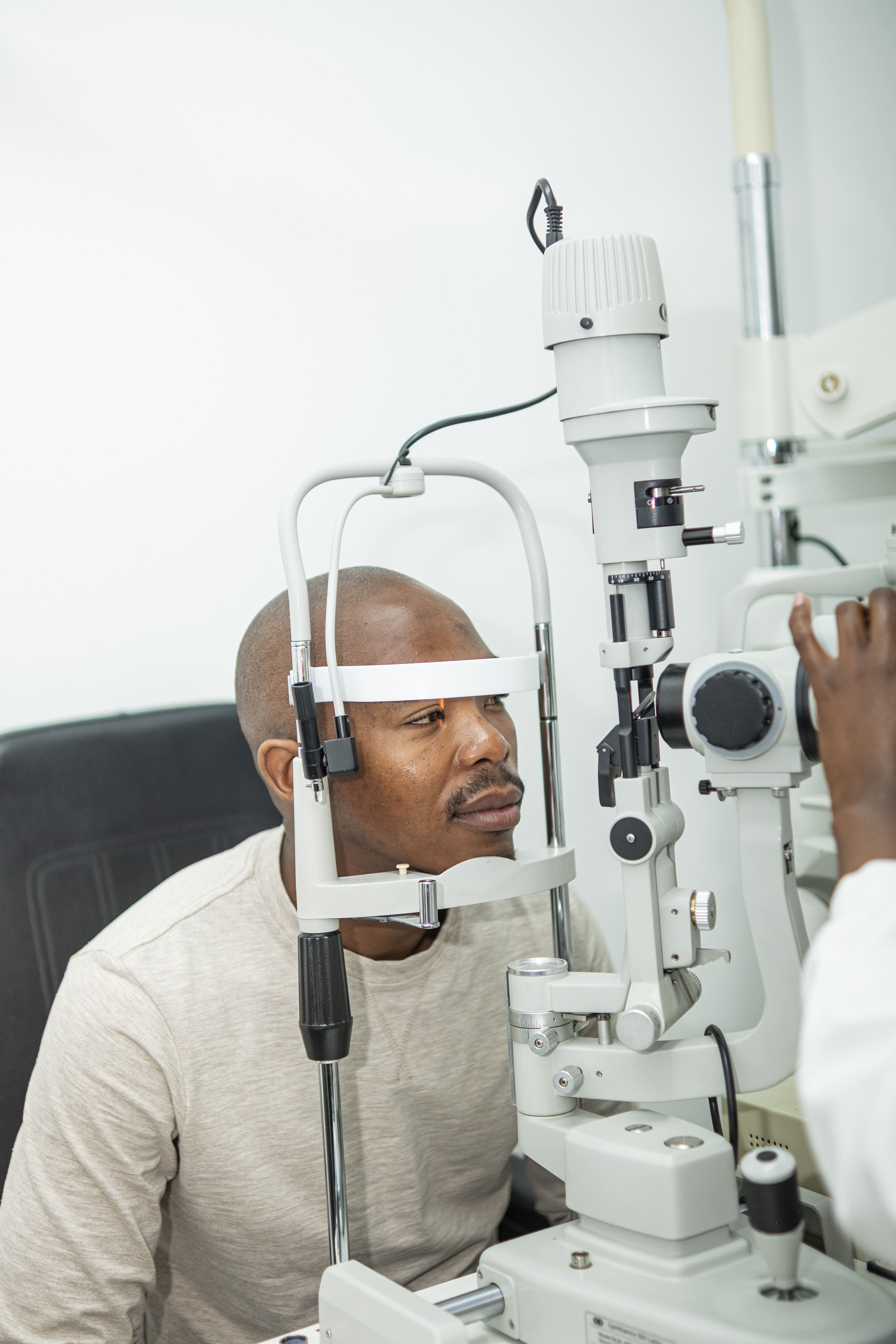
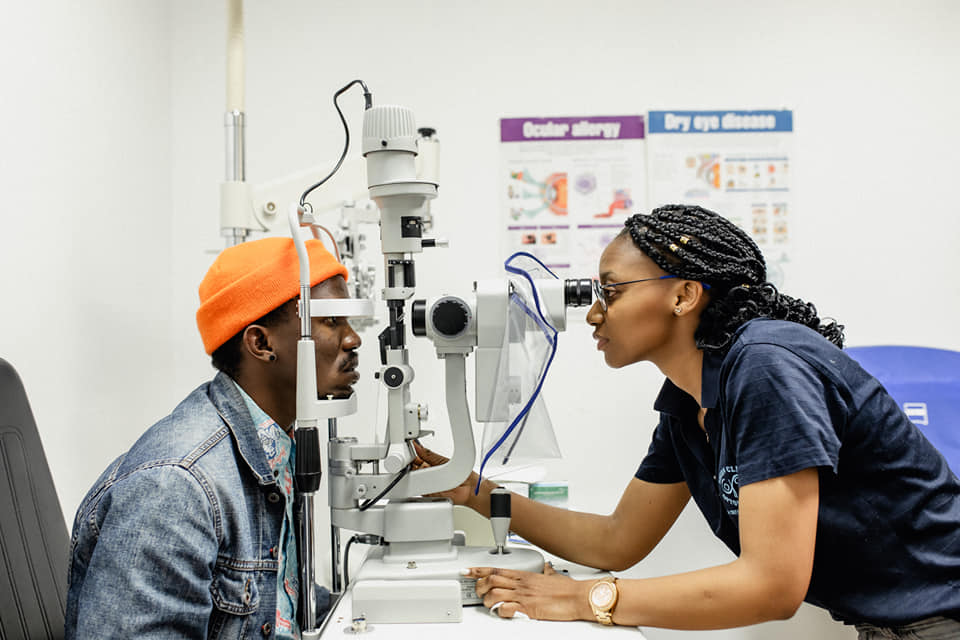
Think of it as a microscope for your eyes. This special microscope lets us take a close look at the front of your eyes — checking for scratches, infections, inflammation, and early cataracts. It’s how we spot small problems before they become big ones.